One Coastal Concert Stop or a String of Small Towns?
Compare a single coastal concert stop with a small-town run to choose a route that fits your audience, travel time and the character you want.

A band reaches the coast on Friday evening with one free weekend and a van full of instruments. It could settle into one seaside town for a headline show, or carry the set along the shore, playing smaller rooms in several places. Planning a coastal concert run starts with that choice: concentrate the audience and the event, or let the route itself shape the experience.
Neither approach is automatically better. The right one depends on how far people will travel, what each town can offer, how much change the performers can handle and whether the run is meant to feel like a destination or a journey.
What does one coastal stop make possible?
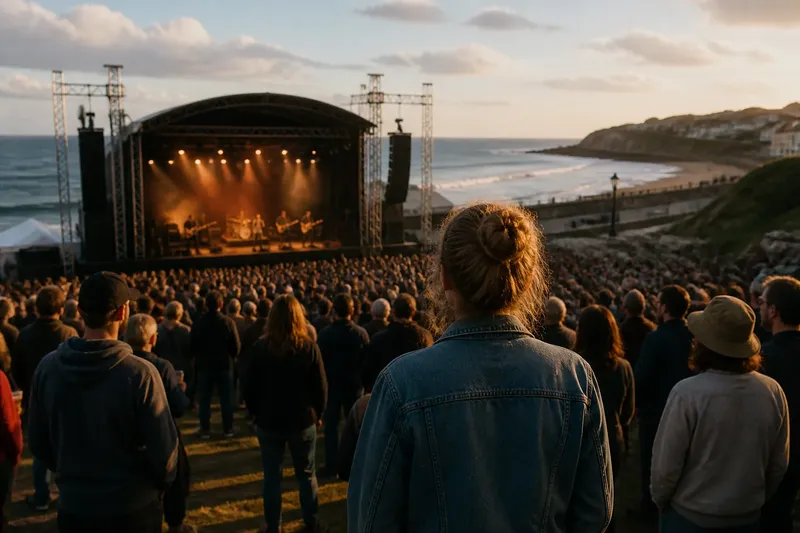
A single-stop run puts the attention in one place. Instead of splitting promotion across several towns, organisers can build towards one date and give the audience a clear reason to make the trip. A venue with suitable capacity, dependable access and nearby places to eat or stay can turn a concert into a fuller evening or weekend.
This option suits a touring act with a following spread across a region, a special guest performance, or a town where the local venue already draws visitors. It can also work well when the show needs a particular room, backline or production arrangement. Keeping the crew in one location removes the repeated packing and sound-check cycle that comes with moving on after each performance.
The trade-off is concentration. People in distant coastal towns may have to travel to attend, and the event’s success depends more heavily on one venue and one date. If the room is hard to reach without a car, or accommodation is limited during a busy holiday period, the destination may be less convenient than it looks on a map.
Before settling on one stop, consider whether the town gives audiences a practical reason to come and whether they can get home safely after the show. Check public transport timetables, the last return service, parking arrangements and accessible routes. These details can affect attendance more than the distance between two places on a map.
What changes when the run visits several towns?
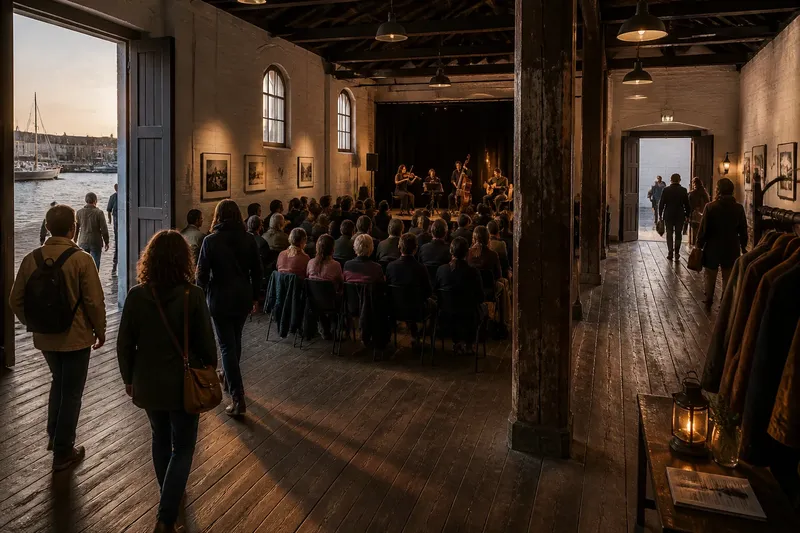
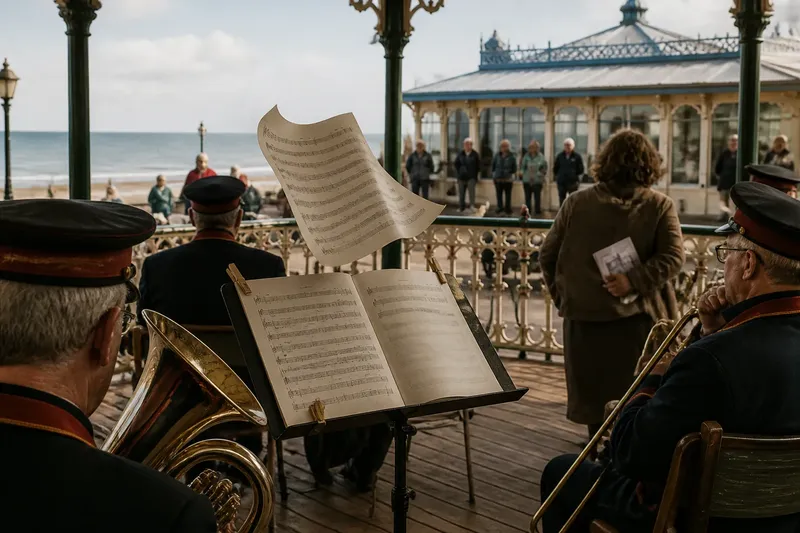
A string of small towns spreads the performances across a coastline. Each stop can welcome people who might not travel to a larger hub, and a touring act can meet different local audiences without asking them all to converge in one place. The character of the run comes from the contrasts between towns: one night might draw a close-knit local crowd, while the next brings visitors and regular venue-goers together.
This format tends to suit a developing act that wants to build local connections, a community-led series, or a tour with venues willing to share promotion. A run can also make sense when no single room has the right capacity but several smaller spaces can host a comfortable show. Local partners, such as a town arts centre or independent promoter, may help reach people who are not already following the act.
The extra stops bring more coordination. Every venue has its own booking contact, access arrangements, load-in window, equipment and audience expectations. Moving between towns means checking realistic driving times, parking for a van and the route between the venue and overnight accommodation. Coastal roads can be slow or congested, so a short-looking map route may not leave enough time for a relaxed arrival.
A multi-town run also asks performers to repeat the show without letting it become mechanical. Small adjustments can give each audience a sense of place: a local support act, a short welcome from the promoter or a different order for one section of the set. The core performance can remain consistent, while the evening around it reflects the town.
How should the stops be sequenced?
With one stop, the sequence is simple: the travel day leads into the performance, followed by departure or an extra night. That leaves room to arrive early, check the room and avoid making the show depend on a tight same-day journey. If the event is intended as a destination, the schedule can also make space for audiences arriving from further away.
For several towns, start with the route rather than a list of preferred venues. Put the stops in an order that limits backtracking, allows a sensible load-in and gives the crew a workable night’s rest. A run that moves steadily along the coast is often easier to manage than one that jumps between towns because a date happened to be available.
Then check whether the venue dates support that order. A room may only be free on a particular evening, or a local event may compete for audiences and accommodation. If the calendar forces a detour, weigh the extra travel against the value of that stop. It may be better to omit a town than to make the whole run hurried.
Think about the audiences’ sequence, too. A first show in a larger town can introduce the run, while later dates can reach smaller communities; alternatively, an early small-room performance may help build word of mouth before a final gathering in a larger venue. These are different stories, not fixed rules. Choose the order that makes sense for the act’s existing audience and the promoters’ ability to reach new listeners.
Which format suits your audience and crew?
Use the single-stop format when the event itself is the draw and the audience is willing to travel. It is a strong fit if the venue can accommodate the show comfortably, the date has room to build anticipation, and the crew needs a stable base for equipment or production. It is less attractive when travel home is difficult or the venue’s capacity would exclude much of the local audience.
Choose a small-town run when access is the main aim: more people can attend near home, and each promoter can connect the act with local listeners. It suits a compact set-up and a crew comfortable with repeated changeovers. It becomes harder to justify if the distances are demanding, the venues have little in common operationally, or the team has too little time to promote each date properly.
A hybrid can work when one town acts as the anchor and one or two nearby stops extend the reach. Keep the geography tight, and make the anchor date distinct: it might have a longer set, a local collaboration or a larger room. The smaller dates should add something of their own rather than feel like reduced copies of the main event.
Say a fictional four-piece has a Friday booking at a well-connected coastal arts centre and an offer from two nearby town halls for the following evenings. The group wants to meet new listeners, but its van is shared with another act and the crew cannot stay away for long. It could keep the arts-centre show as the main event and add one town hall date with local support, then compare the extra travel and promotion with the audience reach before accepting the second offer. The observable result to look for is whether the added date has a clear local partner and a workable schedule, not simply whether it fills another square on the calendar.
What should you settle before confirming dates?
Before announcing a run, put the practical details in one shared document. Include a named contact for every venue, the agreed arrival and performance windows, equipment available on site, accessibility information, transport options and the plan for overnight stays. Confirm who is responsible for promotion and who handles ticketing questions, so a local audience is not sent between organisations for basic information.
For a multi-stop run, share the itinerary with the whole touring party and identify the person who will keep it current. Include route links, venue addresses, parking details and realistic departure plans, but avoid relying on a single driver to solve every delay. For one stop, use that same planning space to record audience travel information and any arrangements that make a longer visit easier.
Ticketing should reflect the structure. A single event can be marketed as one destination date, with clear information about travel and access. A run needs a separate page or booking link for each town, with consistent event descriptions and a visible route or schedule so people understand which date is nearest to them. If tickets are handled by different venues, agree how questions and updates will be passed between them.
Finally, keep the plan adaptable without making promises you cannot keep. Weather, transport disruption and venue changes can affect a coastal run; set out who will communicate an update and where audiences should look for it. Check venue terms, transport advice and local requirements with the relevant organiser, operator or authority before publishing details.
Which questions help settle the choice?
Is one coastal concert stop easier to promote?
It gives the campaign one date and place to focus on, which can make the message straightforward. The venue still needs to be reachable for the people you hope to attract, and the event should offer a clear reason to travel.
How many towns should a short coastal run include?
There is no useful fixed number: the route, crew capacity and venue schedule set the limit. Add a stop only when it has a local audience or partner and fits without making travel and performance days uncomfortably tight.
Can a small-town run share equipment between venues?
Sometimes, if each venue confirms what it can provide and the performers agree on a suitable set-up. Put those arrangements in writing with the venue contacts rather than assuming that similar rooms have the same equipment.
When does a hybrid coastal run make sense?
It can suit an act that wants one substantial gathering alongside a modest amount of local outreach. Keep the extra dates close enough to manage and give each one a reason to exist beyond filling the itinerary.
How do you make the final call?
Write down the purpose of the run in one sentence: for example, to gather a regional audience for one special night, or to introduce the act to several communities along the shore. Then compare each available route against that purpose. If a single venue can serve the intended audience and offers a compelling destination, concentrate the effort there. If access and local relationships matter more, a short string of towns may be the better fit.
Before confirming, ask the venue contacts and crew to review the proposed sequence, not just their own dates. A schedule that looks tidy to a promoter may leave no breathing room for travel, while a route that seems ambitious can work if the stops are close and the local arrangements are clear. Make the choice that gives both audiences and performers a coherent run to take part in, rather than the longest itinerary the calendar can accommodate.
For a coastal concert run, the most useful measure is whether every stop belongs in the same story. One town can make the show feel like a destination; several can make the journey part of the event. Keep that distinction visible in the routing, the ticket information and the way each audience is welcomed.